Most people notice a draught, a stuffy meeting room or radiators that seem to have a mind of their own long before they think about energy use. In homes, schools and small commercial buildings, comfort is often the first sign that something behind the scenes is out of step. One room overheats while another stays chilly, windows get opened in January, and portable heaters appear under desks. These are not just minor annoyances. They show a building is working harder than it needs to.
Older properties are especially prone to this kind of low-level mismatch. Over the years, layouts change, occupancy patterns shift and bits of heating kit are upgraded bit by bit. What was once a simple setup becomes a patchwork. Temperature control no longer reflects how people use the space, and energy waste follows almost by accident.
That is one reason the idea of a Building Energy Management System matters beyond technical circles. It is not only about meters, plant rooms or compliance paperwork. It is also about understanding why a building feels wrong on an ordinary Tuesday afternoon. When heating, ventilation and timing controls are better coordinated, people often feel the difference before it shows up in the figures.
Small Clues That Point to a Bigger Issue
- Rooms that are too hot first thing, then cold by mid-afternoon
- Heating running in spaces that are rarely used
- Regular complaints from occupants in the same parts of the building
This issue is easy to miss because it is so ordinary. People adapt quickly to discomfort, especially in shared spaces, and a building’s quirks start to feel normal. But comfort and efficiency are closely linked. If a place consistently feels awkward to occupy, there is a fair chance the energy use needs attention too. Sometimes the best place to start is not a new appliance, but a clearer picture of how the building behaves hour by hour.
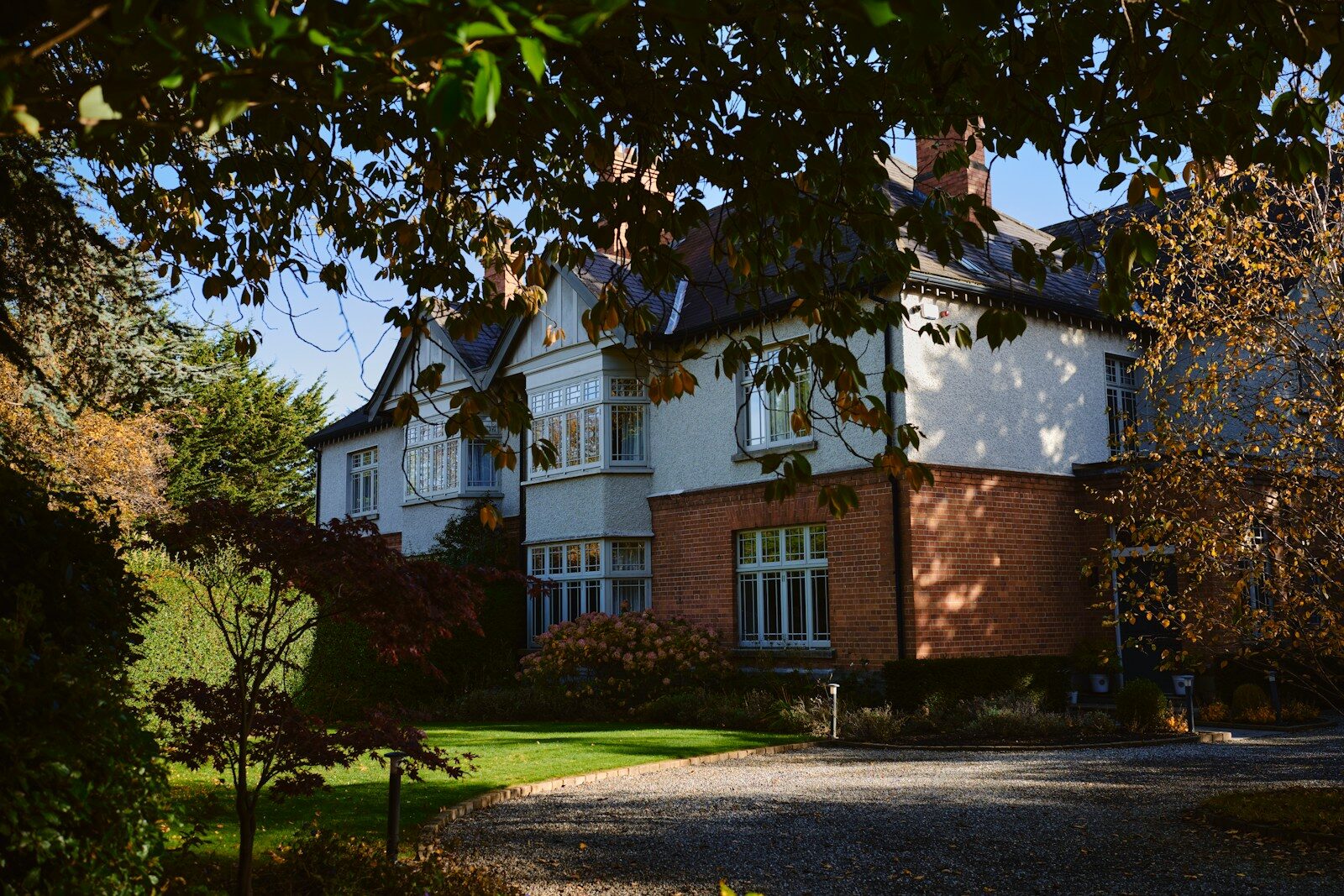
Featured Image Photo by Valerie.