An allotment is one of those rare places where having a plan is useful, but following it too closely can take away some of the fun. You might arrive with a list of jobs, a packet of seeds and a firm intention to spend two hours weeding, only to discover a forgotten strawberry plant, a surprise courgette or a corner that would be perfect for something new. Allotment gardening is as much about adapting as it is about growing.
For many people, that is exactly what makes having an allotment so rewarding. It offers a chance to step away from busy routines, get outdoors and create something that changes with the seasons. Whether you have a large plot or a modest patch of ground, there is always something to learn, improve or look forward to.
The Joy Of Growing Something From Scratch
One of the biggest attractions of an allotment is the satisfaction of growing your own food. There is something particularly enjoyable about picking vegetables that started life as tiny seeds or young plants.
You do not need to become an expert gardener overnight. A few reliable crops can make a great starting point. Potatoes, onions, salad leaves, runner beans and courgettes are all popular choices, although the best options will depend on your soil, available space and local growing conditions.
Growing your own also encourages you to pay attention to the seasons. You begin to notice when the soil warms up, which plants cope with cooler weather and how quickly a sunny spell can change the garden. Even a disappointing harvest can teach you something useful for next year.
Making An Allotment Work For Your Lifestyle
An allotment can be wonderfully productive, but it can also become a source of pressure if you try to do too much. The most successful approach is often to create a manageable routine rather than treating every visit as a major gardening project.
Think about how much time you realistically have available. If you can only visit once or twice a week, choose crops that suit that schedule and make sure paths and growing areas are easy to maintain. Raised beds, mulching and sensible planting can all help reduce the amount of work involved.
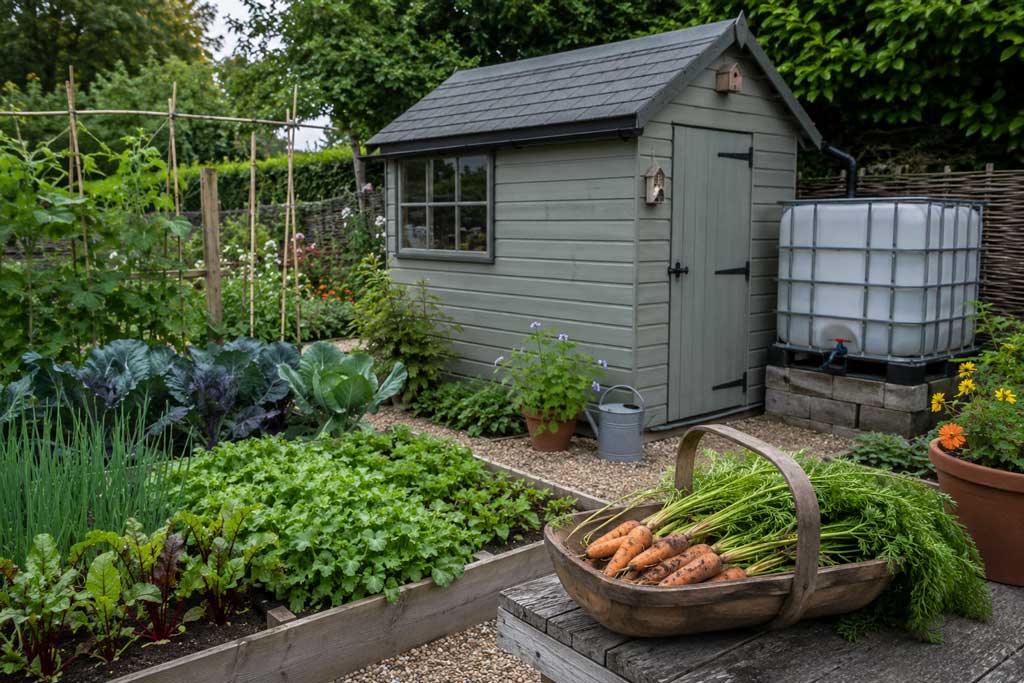
It is also worth leaving room for enjoyment. A small seating area, a water butt or a space for wildlife can make the plot feel more welcoming. An allotment does not have to be entirely dedicated to food production to be worthwhile.
Why Every Season Brings A Different Challenge
One of the best things about allotment gardening is that no two months feel quite the same. Spring brings sowing and preparation, summer is filled with growth and harvesting, while autumn is a time for clearing, planting and preparing for colder weather.
Autumn, in particular, can be a rewarding time to visit the allotment. There may still be crops to harvest, seeds to collect and beds to tidy, but there is also an opportunity to look ahead. Garlic, onions and certain hardy vegetables can be planted before winter, depending on the variety and local conditions.
The quieter months are useful for reviewing what worked during the year. Perhaps the tomatoes struggled, the beans were brilliant or a particular bed became too difficult to reach. Small changes can make a big difference when the growing season returns.
An Allotment Is More Than A Vegetable Patch
Although growing food is often the main reason people take on an allotment, the benefits go beyond the harvest. Time spent outdoors can provide a welcome break from screens, work and household responsibilities.
Allotments can also bring people together. Sharing growing tips, swapping seeds and chatting with other plot holders are all part of the experience. Even if you prefer to garden quietly, being part of a wider allotment community can make the plot feel like a shared project.
And then there is the simple pleasure of watching something grow. A plant does not care whether you have had a productive day at work or whether your to-do list is finished. It simply needs the right conditions and a little care.
Finding Your Own Rhythm On The Plot
The beauty of an allotment is that it does not have to look perfect to be successful. A slightly untidy corner, a few self-seeded flowers or a harvest that is smaller than expected are all part of the process.
The best plot is often the one that suits the person growing it. Start with what you enjoy, make changes when necessary and give yourself permission to experiment. There will always be another season, another crop and another reason to head down to the allotment.
Featured image credit: AI generated.